Ships Between 4 to 7 Days
Order before 15:00 to expedite shipping
Secure Payments
Secured by OZOW and Paystack
Free Shipping for orders above R3000
We will ship your order for free to anywhere in SA - Our Gift to you!
Order before 15:00 to expedite shipping
Secured by OZOW and Paystack
We will ship your order for free to anywhere in SA - Our Gift to you!
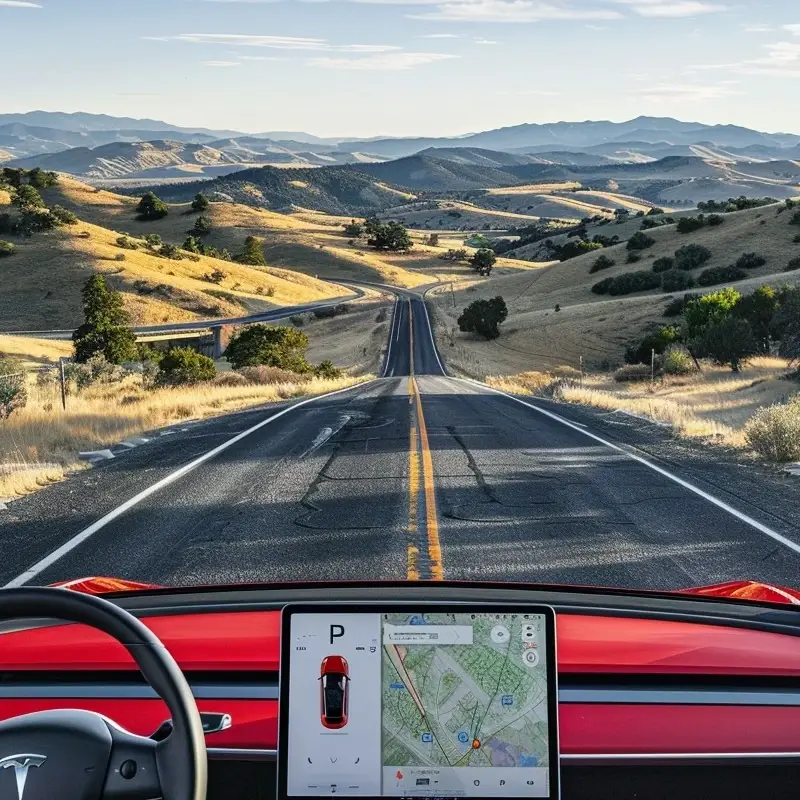
4K HD vs 4K UHD vs 4K HDR: Choosing the Right Dash Cam for Crystal Clear Protection
If you have been shopping for a new dash cam, you have likely encountered a confusing mix of terms: 4K HD, 4K UHD, and 4K HDR. At first glance, they all sound impressive. But what do they actually mean for the footage that could one day save you thousands in insurance claims or legal disputes?
As South African roads become increasingly unpredictable, from load shedding induced traffic light outages to unexpected wildlife on rural routes, having a reliable dash cam with the right video specifications is no longer a luxury. It is a necessity. At The Car Dash Cam Store, we believe in equipping you with the knowledge to make an informed choice. Let us break down the technical jargon into clear, practical differences.
The Foundation: What Does “4K” Actually Mean?
Before we dive into the acronyms, it is important to understand the baseline. “4K” refers to a horizontal resolution of approximately 4,000 pixels. In the consumer electronics world, it is the successor to 1080p, or Full HD.
However, not all 4K is created equal. The term has become a marketing umbrella, and the distinctions between HD, UHD, and HDR represent significant differences in image quality, storage requirements, and real world usability. This is especially true in a dash cam’s unique operating environment.
4K HD: The Entry Point to Ultra High Definition
4K HD is a term often used to describe dash cams that record at 3840 x 2160 pixels, the standard resolution for consumer 4K. The “HD” (High Definition) part is somewhat of a misnomer, as it is technically Ultra High Definition, but manufacturers use it to signal that the camera captures four times the detail of 1080p.
What You Get with 4K HD:
Sharpness in Good Lighting: During a bright South African summer day, a 4K HD dash cam excels at capturing crisp details like license plates, road signs, and facial features.
Large File Sizes: The higher resolution means larger video files. A 64GB memory card might fill up faster than it would with a lower resolution camera.
Standard Dynamic Range: This is the critical limitation. Standard 4K HD cameras often struggle with high contrast scenes, such as driving out of a tunnel into bright sunlight or facing the glare of oncoming headlights at night.
Best for: Budget conscious drivers who primarily drive during daylight hours and want the security of high resolution footage without needing advanced features.
4K UHD: The Technical Standard
4K UHD, or Ultra High Definition, is technically identical in resolution to 4K HD at 3840 x 2160. However, when a dash cam is labelled as “4K UHD,” it often signifies adherence to stricter industry standards for colour accuracy, bitrate, and overall video processing.
The key difference here lies in the bitrate, which is the amount of data processed per second of video. A true 4K UHD dash cam uses a higher bitrate, which reduces compression artifacts like pixelation or blurring during fast motion. On a highway like the N1 or N2, where vehicles are moving at high speeds, this translates to footage where you can actually read a license plate when you pause the video, rather than seeing a smudged blur.
What You Get with 4K UHD:
Consistent Quality: Better processors and sensors ensure that the “4K” label is not just marketing hype.
Improved Motion Handling: This is essential for South African highways and busy urban intersections.
No Guarantee of Low Light Performance: While the resolution is high, without additional technology, night time footage can still appear grainy or washed out.
Best for: Drivers who want reliable, high quality footage for everyday use and value the ability to clearly capture details in motion.
4K HDR: The Game Changer for South African Roads
4K HDR, or High Dynamic Range, is where dash cam technology truly evolves to meet the challenges of real world driving. Unlike the previous two categories, HDR is not about adding more pixels. It is about making each pixel smarter.
HDR technology works by capturing multiple exposures of the same scene and combining them to create a single frame with balanced lighting. This means that the darkest shadows and the brightest highlights are both visible without being overexposed or crushed.
Why HDR Matters in a Dash Cam:
Tackling the African Sun: South Africa’s intense sunlight creates harsh shadows and blinding glare. A 4K HDR dash cam ensures you can see details in both the shaded interior of a car and the sun drenched license plate of the vehicle in front.
Night Time Clarity: Standard dash cams often blow out headlights into white blobs, obscuring important details. HDR preserves detail in both the headlights and the darker areas of the scene, such as pedestrians or road hazards.
Tunnel to Sunlight Transitions: In cities like Cape Town or Johannesburg, where tunnels and overpasses are common, HDR prevents the “whiteout” effect when exiting a tunnel into bright light.
The Trade Off:
HDR requires significant processing power. In some lower quality dash cams, HDR can introduce a slight “ghosting” effect on fast moving objects. Premium models, however, use advanced processors to mitigate this, delivering the best of both worlds: high resolution and superior dynamic range.
Side by Side Comparison: Which One is Right for You?
| Feature | 4K HD | 4K UHD | 4K HDR |
|---|---|---|---|
| Resolution | 3840 x 2160 | 3840 x 2160 | 3840 x 2160 |
| Key Strength | Affordable entry to 4K | High bitrate, motion clarity | Balanced lighting, superior night vision |
| Weakness | Poor contrast handling | Can struggle with extreme lighting | Higher cost, requires quality processor |
| Ideal Use Case | Daytime city driving | High speed highway driving | All conditions driving (dawn, dusk, night, glare) |
| Storage Needed | High | Higher | Highest |
Practical Considerations for South African Drivers
When choosing between these technologies, consider the environment you drive in most often.
For Urban Drivers: If your driving is primarily within well lit city centres like Sandton or Cape Town’s CBD, a quality 4K UHD dash cam may provide excellent value. The consistent street lighting and moderate speeds play to its strengths.
For Long Distance and Rural Drivers: If your journeys take you on the N3, through mountain passes, or rural roads where wildlife and variable lighting are factors, 4K HDR is the superior choice. The ability to capture clear footage in dawn, dusk, and the harsh midday sun, without overexposure, is invaluable.
For Night Drivers: Anyone who frequently drives after dark should prioritise 4K HDR. Standard 4K cameras often become near useless when facing high beam headlights from oncoming traffic. HDR technology preserves detail in these high contrast scenarios.
Beyond Resolution: What Else Matters?
While understanding 4K variations is crucial, a dash cam’s overall reliability depends on other components. At The Car Dash Cam Store, we ensure our selection pairs high resolution sensors with:
High Quality Lenses: A premium Sony STARVIS sensor, for example, dramatically improves low light sensitivity.
Capacitor Based Power: Unlike battery powered cameras that degrade in South African heat, supercapacitor dash cams withstand our high temperatures.
Professional Installation: A camera is only as good as its installation. Hidden wires, secure mounting, and proper fuse tap connections ensure your dash cam works reliably, without dangling cables or drained car batteries.
Future Proofing Your Investment
The dash cam market is evolving rapidly. While 4K HDR is currently the pinnacle for consumer dash cams, we are beginning to see innovations like DOL HDR (Digital Overlap High Dynamic Range) and Starvis 2 sensors that further enhance performance. When you purchase from a specialist retailer, you gain access to the latest technology that balances resolution, dynamic range, and thermal durability. All of these are essential for South African conditions.
Conclusion: Clarity Where It Counts
The distinction between 4K HD, 4K UHD, and 4K HDR ultimately comes down to this: resolution captures detail, but dynamic range captures truth.
A standard 4K HD camera may give you a sharp image of a scene, but if that scene is washed out by glare or lost in shadow, the critical detail, such as a license plate, a driver’s face, or a road hazard, may be missing. 4K HDR ensures that what your camera sees is what your eyes would see, even in challenging lighting.
At The Car Dash Cam Store, we are committed to helping South African drivers navigate these choices. Whether you need a rugged 4K HDR camera for cross country trips or a reliable 4K UHD model for daily commutes, our range is curated for quality, durability, and local conditions.
Ready to upgrade your drive? Browse our selection of premium dash cams, and take advantage of our professional installation services across all major South African city centres. With free shipping on orders over R3000 and secure payment options, protecting your journey has never been easier.