Ships Between 4 to 7 Days
Order before 15:00 to expedite shipping
Secure Payments
Secured by OZOW and Paystack
Free Shipping for orders above R3000
We will ship your order for free to anywhere in SA - Our Gift to you!
Order before 15:00 to expedite shipping
Secured by OZOW and Paystack
We will ship your order for free to anywhere in SA - Our Gift to you!
Choosing the right dash camera is about more than just recording your drive—it’s about reliability, clarity, and durability. In a world where road incidents and insurance disputes are common, a high-quality dash cam can be your most trusted witness. With brands like Blackvue, Viofo, and Vantrue leading the market, understanding technical specifications is crucial to making an informed purchase. This guide dives deep into the must-have features, from super capacitors to advanced lens technology, and highlights top models available at Car dashcam South Africa.

Lithium batteries have long been a staple in portable electronics, but they’re a liability in dash cameras—especially in regions like South Africa with extreme temperatures. High heat can cause lithium batteries to swell, degrade, or even combust, while cold weather reduces their efficiency. Super capacitors, on the other hand, are engineered for resilience.
Temperature Resistance: Super capacitors operate flawlessly in temperatures ranging from -40°C to 85°C. This makes them ideal for parked cars during scorching summers or frosty winters.
Longevity: Unlike lithium batteries, which degrade after 300–500 charge cycles, super capacitors can endure millions of cycles without losing capacity.
Safety: No risk of swelling, leakage, or fire hazards—critical for devices left in vehicles.
Instant Power Discharge: Super capacitors save critical footage during sudden power losses (e.g., accidents), whereas batteries may fail to write the final video file.
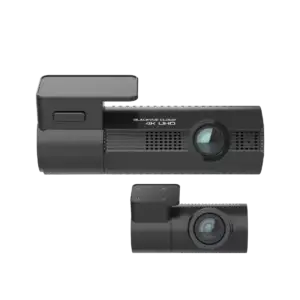
Pro Tip: Blackvue and Viofo prioritize super capacitors in their flagship models. For example, the Blackvue DR770X uses a super capacitor to ensure reliability even in harsh conditions.

A dash camera’s lens quality directly impacts video clarity, especially for capturing license plates or road signs. Most budget cameras use plastic lenses (G1–G4), which are prone to scratches, warping, and optical distortion over time. In contrast, G5-grade glass lenses are the gold standard for premium dash cams.
Sharper Image Quality: Glass lenses minimize chromatic aberration and distortion, ensuring crisp details even at high speeds.
Durability: Resistant to scratches, UV damage, and temperature fluctuations.
Low-Light Performance: Multi-coated glass lenses (e.g., Viofo’s A329) transmit more light, enhancing night vision.
Wider Aperture: A lower f-stop (e.g., f/1.5) allows more light into the sensor, critical for dusk/dawn recording.
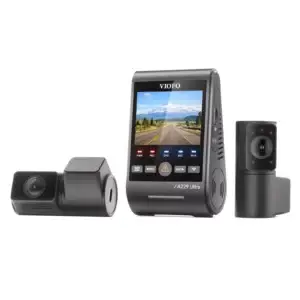
Real-World Example: The Viofo A229 Ultra uses a 6-layer glass lens with an f/1.8 aperture, delivering sharp 4K footage even in dimly lit environments.

Resolution determines how much detail your dash cam can capture. Here’s a breakdown:
Pros: Captures license plates, street signs, and facial details with precision. Ideal for highways or high-traffic areas.
Cons: Larger file sizes require high-endurance SD cards and more frequent overwrites.
Top Pick: Viofo A329S – A 4K powerhouse with Sony’s Starvis 2 sensor for unmatched clarity.
Pros: Balances detail and storage efficiency. Suitable for everyday driving.
Cons: Less effective for capturing distant objects.
Top Pick: Blackvue DR770X Plus – Offers 2K resolution with cloud connectivity for real-time alerts.
Pros: Budget-friendly and adequate for basic recording.
Cons: Struggles with fine details, especially at night.

A common misconception is that higher megapixels guarantee better night vision. In reality, the sensor type is the game-changer.
Technology: Back-illuminated (BSI) sensors capture 200% more light than traditional sensors.
Performance: Delivers vivid colors and reduced noise in low-light conditions.
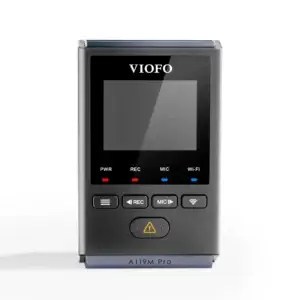
Example: Viofo A139 Pro combines a Starvis 2 sensor with an f/1.6 aperture for unparalleled night recording.
Use Case: Essential for cabin/rear cameras (e.g., ride-share drivers).
Example: Viofo A229 Ultra 3 Channel with Fisheye Lens uses IR LEDs to monitor vehicle interiors in pitch darkness.

Parking mode protects your vehicle from hit-and-runs, vandalism, or theft when parked. However, not all parking modes are created equal.
Motion & Impact Detection: Triggers recording when movement or collisions are detected.
Time-Lapse Mode: Records at reduced frame rates to conserve storage.
Low Voltage Protection: Prevents car battery drain (requires a hardwire kit like the Blackvue Power Magic Ultra).
Pro Tip: Blackvue’s DR770X supports cloud-connected parking mode, sending alerts to your phone if an incident occurs.

Dash cams rely on loop recording, which overwrites old footage when the SD card is full. However, not all cards are suited for continuous use.
Endurance Rating: Look for cards rated for 10,000+ TBW (terabytes written).
Capacity: 128GB–256GB balances storage and overwrite frequency.
Recommended: Samsung PRO Endurance , SanDisk High Endurance, Viofo SD cards, Blavkvue SD Cards or Vantrue SD Cards
Benefits: Tracks speed, route, and location—critical for insurance disputes.
Example: The Blackvue DRF770X Plus embeds GPS to map your drives via the Blackvue app.
Benefits: Transfer footage to your phone instantly or access it remotely via 4G/LTE.
Example: Blackvue’s Cloud Service lets you livestream footage and receive parking incident alerts.
Discreet Designs: Slim cameras like the Blackvue DR770X Plus blend into your windshield, deterring theft.
Dual/Triple Channel: Multi-lens systems (e.g., Vantrue N4) cover front, rear, and cabin views.
Resolution: 2K (2560 x 1440p) front camera.
Lens: G5 glass with f/1.6 aperture.
Features: Super capacitor, built-in GPS, Wi-Fi, and cloud connectivity.
Why Buy?: Ideal for tech-savvy drivers who want real-time alerts and remote access.
Resolution: 4K UHD (3840 x 2160p) front camera.
Sensor: Sony Starvis 2 for superior night vision.
Features: Super capacitor, G5 lens, and voice control.
Why Buy?: Best for drivers prioritizing crystal-clear daytime and nighttime footage.
Resolution: 4K front + 1080p rear + 1080p interior.
Features: Infrared cabin camera, super capacitor, and 24/7 parking mode.
Why Buy?: Perfect for Uber drivers or families needing interior monitoring.
Positioning: Mount the camera behind the rearview mirror to avoid obstructing your view.
Hardwiring: Use a professional installer or a DIY kit like the Viofo HK4 Hardwire Kit.
Maintenance: Clean the lens monthly and format the SD card every 2–3 months to prevent corruption.
A: Not if you use a hardwire kit with low-voltage protection.
A: Yes, but avoid obstructing your view or recording audio without consent.
A: No, endurance-rated cards are mandatory for continuous recording.
A: For South African conditions, a supercapacitor power source is critical. Unlike lithium batteries that fail in extreme heat, supercapacitors operate reliably from -40°C to 85°C and last 10+ years.
A: Yes, if you need to capture license plates, road signs, and facial details clearly. 4K provides 4x the detail of 1080p, crucial for insurance claims and police evidence.
A: Sony STARVIS 2 uses back-illuminated sensor technology that captures 200% more light than standard sensors. This delivers vivid colors and reduced noise in low-light conditions where traditional sensors struggle.
A: If you park in public areas, shopping centers, or on the street, yes. Parking mode protects against hit-and-runs, vandalism, and theft when your vehicle is unattended.
A: G5 glass lenses resist scratches, UV damage, and temperature fluctuations while delivering sharper image quality with less distortion. Plastic lenses degrade quickly and produce blurry footage over time.
Investing in a dash camera is a small price to pay for peace of mind on the road. By prioritizing features like super capacitors, G5 lenses, and 4K resolution, you ensure your camera performs reliably in all conditions. Brands like Blackvue, Viofo, and Vantrue offer tailored solutions for every need, whether you’re a daily commuter or a ride-share driver.
For a curated selection of dash cams and accessories, visit car dashcam South Africa your trusted partner in road safety.